
Digital fatigue has reached a breaking point. In 2025, research revealed that 71% of employees do not read internal emails, and only 31% of the U.S. workforce feels actively engaged—the lowest level in over a decade. As organizations transition to hybrid and distributed models, leaders are turning to a more intimate, asynchronous medium to bridge the gap: Internal Podcasting.
What is internal podcasting?
Internal podcasting is a private, secure audio channel used by organizations to distribute leadership updates, training modules, and culture-building stories exclusively to their employees. Unlike public podcasts, these shows are hosted on secure, "invite-only" feeds protected by Single Sign-On (SSO) and encryption to ensure sensitive company data remains confidential.
Why Internal Podcasting is the Future of Corporate Comms
The shift from text to audio is driven by the "Social Presence" of the human voice. Hearing a leader’s tone, conviction, and vulnerability builds trust in a way that a polished corporate memo never can.
Key Benefits for the Modern Workforce:
Alleviates Screen Fatigue: Employees spend hours on video calls. Podcasts allow them to "learn while they move"—during commutes, chores, or exercise.
Superior Information Retention: Audio and video content is reported to be 500% to 700% more effective for knowledge retention than text-based communication.
Reach Deskless Workers: For the 80% of the global workforce that is "deskless," audio is the most accessible way to stay connected to headquarters.
Measurable Engagement: Unlike emails, internal podcast platforms provide "surgical" analytics, showing exactly who listened, for how long, and where they dropped off.
High-Impact Use Cases: From Netflix to American Airlines
Leading brands are already using audio to solve complex organizational challenges:
American Airlines ("Tell Me Why"): Launched to explain the "why" behind corporate policies to over 100,000 field employees.
Netflix ("WeAreNetflix"): Uses employee voices to share cultural values and celebrate victories, aiding in talent attraction and retention.
lululemon ("Speaker Series"): Humanizes senior leadership by putting their conversations directly into employees' earbuds.
Prospera Credit Union: Used a podcast to unify two distinct cultures following a major merger, focusing on shared identity and peer stories.
How to Make Internal Podcasting "Super Simple" (The 2026 AI Workflow)
In 2026, you no longer need a professional studio. AI-powered tools have reduced production time by up to 80%. Here is the most efficient 3-step blueprint:
1. Capture (The "Best In" Phase)
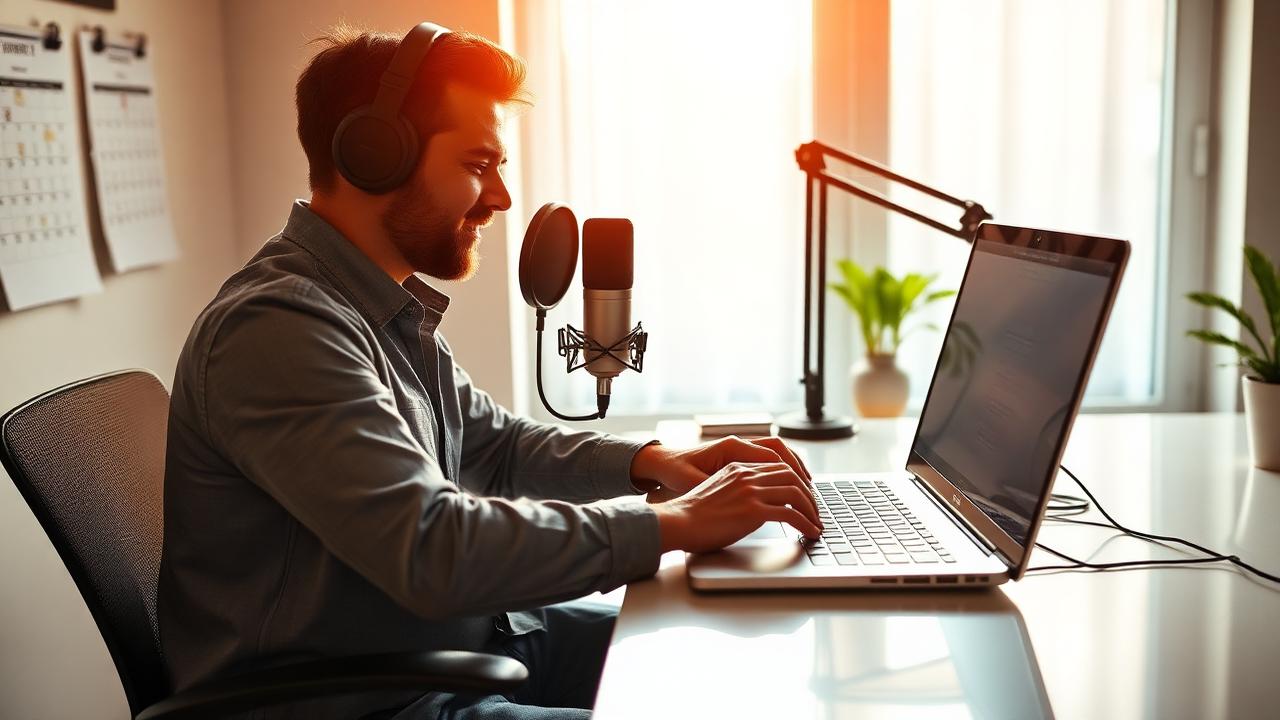
Don't record over a standard laptop mic. Use a dynamic microphone like the Shuve MV7+ (approx. $200) to ignore background noise.
Software: Use Hypecast or Riverside for local 4K recording. These platforms record each participant on their own computer, bypassing internet lag for pristine quality.
2. Edit (The "Text-Based" Phase)
Editing audio used to be a technical nightmare. Now, tools like Descript and Riverside allow you to edit audio by simply deleting words from a transcript.
AI Polish: Use Auphonic or Resound to automatically remove "ums," "ahs," and long silences while leveling the volume for a "studio sound" in one click.
3. Secure Distribution (The "Gated" Phase)
Never host internal podcasts on public platforms. Use an enterprise-grade host like Hypecast, SupportingCast, or uStudio.
Integration: These tools integrate with your existing Slack, Microsoft Teams, or HR portals and use SSO so employees can listen in the apps they already use, like Apple Podcasts or Spotify, without a separate login.
Strategies for High Internal Adoption
Simply "posting it" is not enough. To build a "tribe" within your company, follow these expert growth hacks:
The 90-Second Rule: Your intro should last no longer than 90 seconds. Get to the "meat" of the content immediately or listeners will hit the "next" button.
Content Multiplication: Repurpose one 10-minute update into 30+ micro-pieces, including short-form video clips (using Hypecast) for Slack and quote graphics for internal newsletters.
One-on-One Outreach: Encourage managers to share specific episodes with their teams: "I have an episode on that challenge, check it out".
The "Cold Open": Start with an intriguing snippet or a "jaw-dropping" fact before the theme music to create an immediate "aha!" moment.
FAQ: Frequently Asked Questions About Internal Podcasts
How long should an internal podcast episode be?
For quick leadership updates, aim for 8 - 12 minutes. For deep-dive training or culture stories, 20 - 45 minutes is the industry standard.
Is internal podcasting secure?
Yes. Enterprise platforms use AES-256 encryption, SAML SSO, and private RSS feeds to ensure that if an employee leaves the company, their access is automatically revoked.
Why is audio better than email for internal comms?
Audio retention is significantly higher (up to 700% better) and it removes the "inbox overload" by allowing employees to consume content asynchronously while doing other tasks.
How do I measure the success of my internal podcast?
Look at Completion Rates (how much of the episode was heard) and Drop-off Points rather than just download numbers to understand which topics truly resonate with your team.
The ROI of Listening: A Final Word
By 2027, global podcast listeners will exceed 650 million. The technology is no longer a barrier; it is an enabler. Organizations that leverage internal audio effectively will see a 4.6x increase in employee engagement. As AI makes knowledge more accessible, the true differentiator for leadership in 2026 will be the ability to interpret and humanize that knowledge through the power of voice.